Original Flags

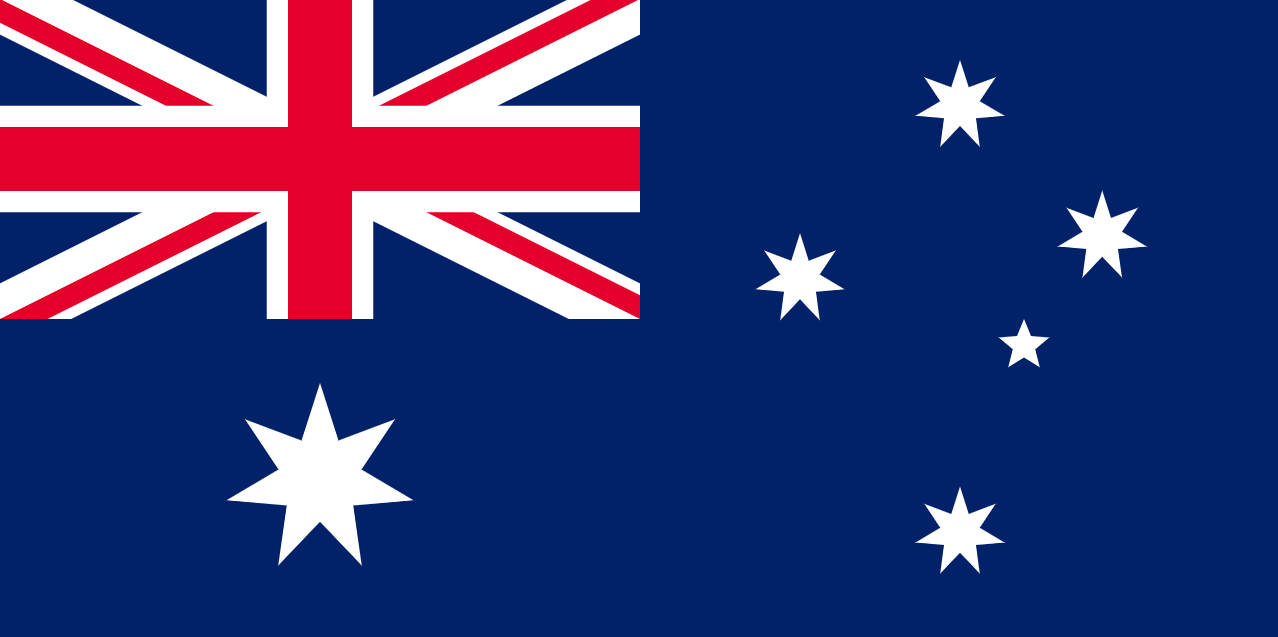
Australian National Flag

The National Flag of Australia contains three elements:

  • The British Union Jack on a blue field – reflecting the historical origins of the Australian flag,
  • The Southern Cross – reflecting Australia’s geographic position in the Southern Hemisphere, and
  • A seven pointed star – representing the Federation of six states, with an additional point to represent the territories collectively.

The Australian Aboriginal flag and the Torres Strait Islanders flag were proclaimed in 1995 to be Flags of Australia under the Flags Act 1953. 
Aboriginal Flag

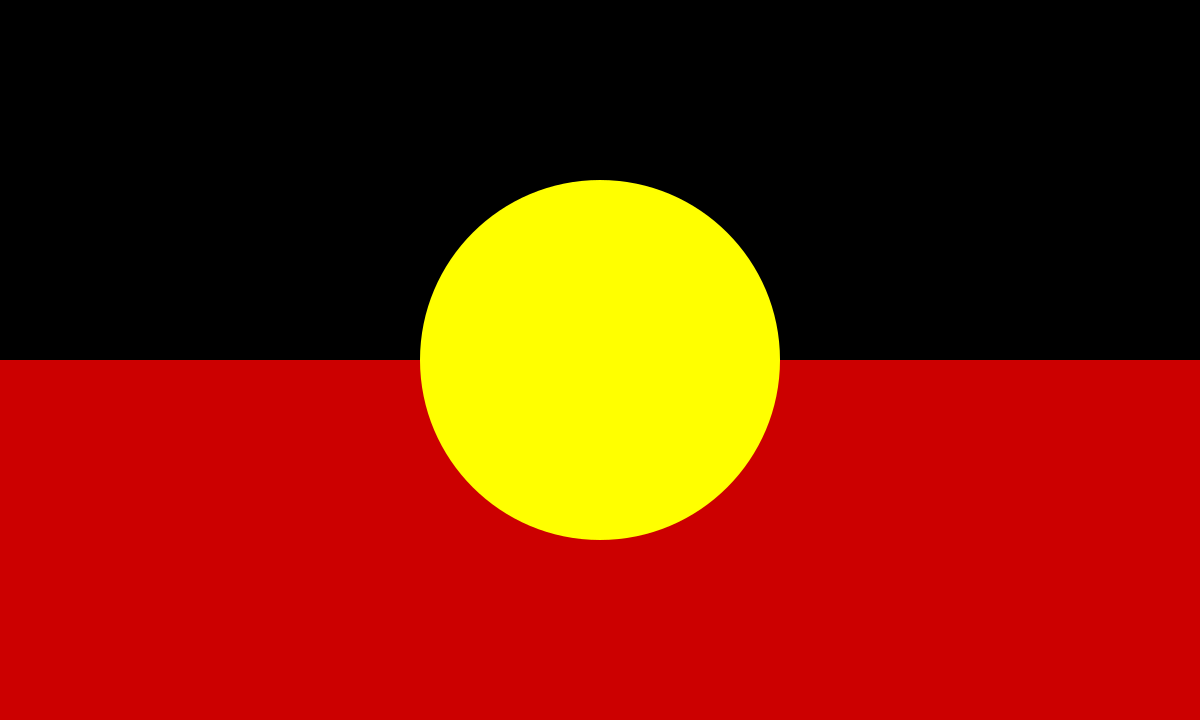
A flag to represent and identify Australian Aboriginal people did not exist until 12 July 1971 when a flag designed by Mr. Harold Thomas was first flown in Adelaide. The red stripe represents the land and the black symbolises the Aboriginal people. The yellow circle represents the Sun, the giver of life.

In a press release on 25 January 2022, the Australian Government announced that it had acquired the copyright from Mr. Thomas, thereby ‘securing the free use of the Aboriginal Flag’ for all Australians for both commercial and non-commercial purposes, without needing to obtain permission or pay any fees or royalties.

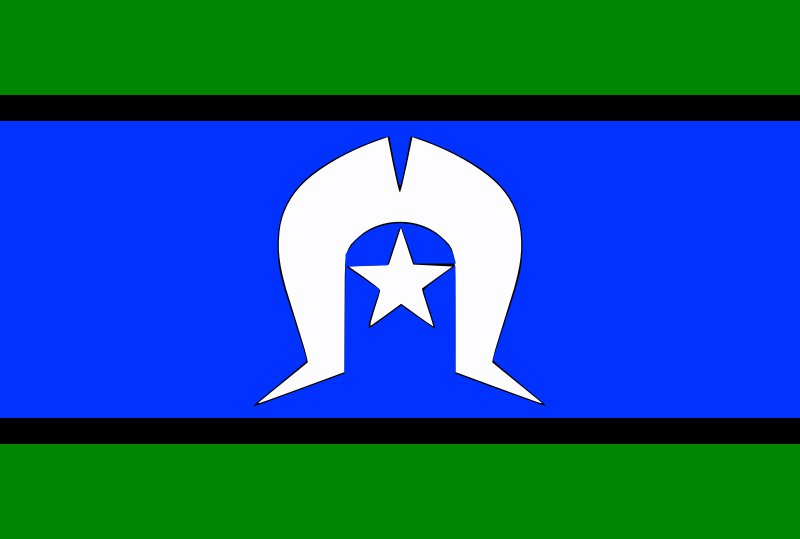
Torres Strait Islander Flag

A flag was adopted in May 1992 to represent the Torres Strait Islanders. The design is attributed to Mr. Bernard Namok and copyright is owned by the Torres Strait Island Coordinating Council. The green stripes represent the land, the blue stripe represents the sea and the black symbolises the people. The central device is a Dhari, a dancer’s headdress with a 5-pointed star to symbolise the five island groups in Torres Strait.